
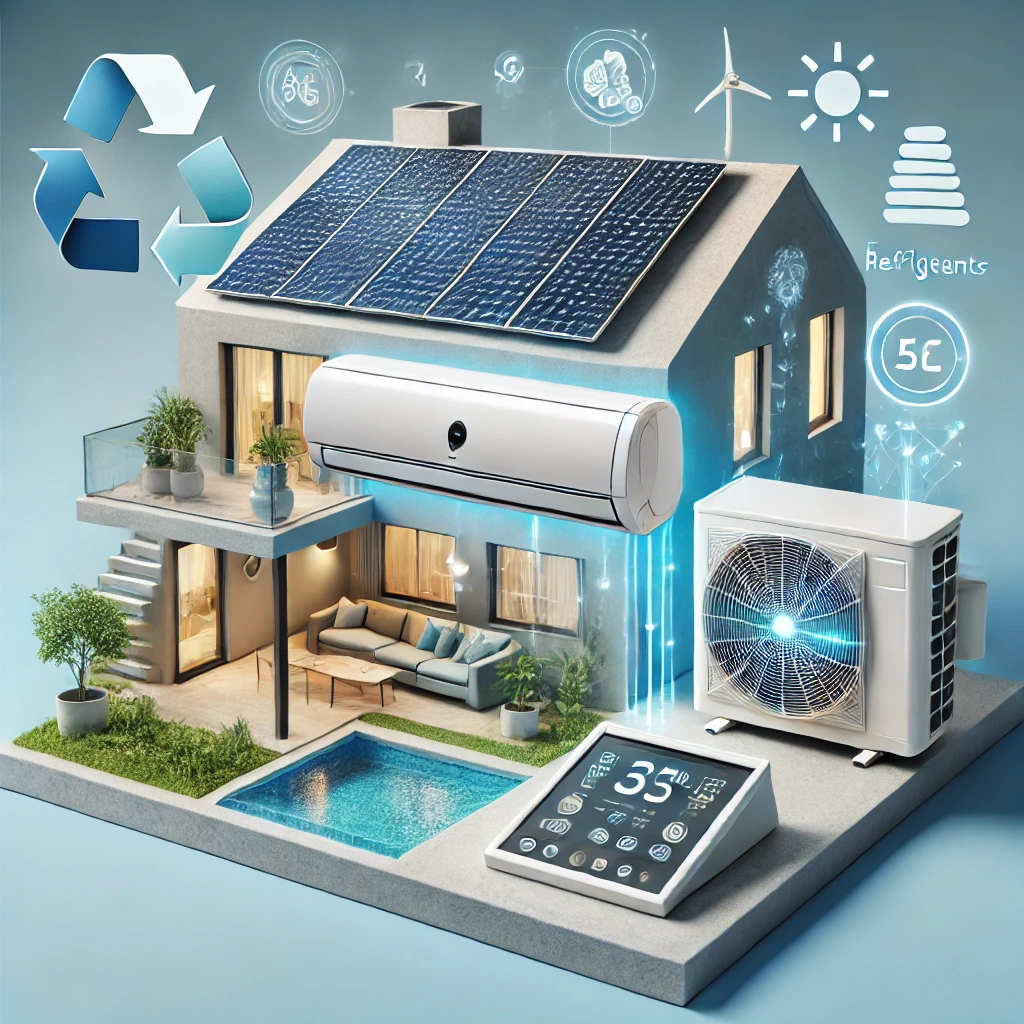
Cooling systems are a necessity in today’s world, but they also account for a significant portion of global energy consumption. As concerns over climate change and rising energy costs grow, individuals and businesses alike are looking for ways to reduce their carbon footprints while maintaining effective cooling solutions. The key? Investing in energy-efficient refrigerants and cooling technologies.
In this article, we delve into the importance of adopting low-GWP refrigerants and advanced HVAC (Heating, Ventilation, and Air Conditioning) systems that consume less energy while delivering optimal performance. We’ll explore practical strategies such as upgrading to smart thermostats, improving insulation, and implementing solar-powered cooling systems to enhance efficiency.
Readers will also learn how high-performance refrigerants contribute to reducing greenhouse gas emissions and lowering electricity consumption. By choosing the right refrigerant and maintaining a well-optimized cooling system, homeowners and businesses can significantly cut down on their energy bills while making an eco-conscious impact.
Whether you’re a homeowner seeking to reduce summer cooling costs or a business looking to meet sustainability goals, this guide provides valuable insights into making cooling systems more environmentally friendly without sacrificing comfort.